


Product Design isn’t just about making things look good; it’s about creating products that people love to use. From the apps on your phone to the checkout flow of your favorite online store, Product Designers shape the way we interact with technology.
Behind every smooth experience is a Product Designer who understands users, solves problems, and brings ideas to life.
Suppose you’re thinking about moving into product design. In that case, whether you’re shifting from a different industry or pivoting from another tech role, the good news is: it’s more possible now than ever. You don’t need to be a “born artist” or have a degree in design. What you need is curiosity, empathy, and the right roadmap.
In this guide, we’ll walk you through everything you need to know to become a Product Designer, no matter where you’re starting.
What Does a Product Designer Do?
A Product Designer focuses on both the functionality and the experience of digital products. They bridge creativity and strategy to design products that meet both user needs and business goals.
Some of their key responsibilities include:
- Researching and understanding user needs
- Designing user flows, wireframes, and prototypes
- Creating high-fidelity UI designs and style guides
- Collaborating with product managers, engineers, and stakeholders
- Running usability tests and improving designs based on feedback
- Balancing user experience with business objectives
Depending on the company, you may also work on branding, design systems, accessibility, or even product strategy.
Different Backgrounds, Different Paths
There’s no “one-size-fits-all” way to become a Product Designer. Your path depends on where you’re coming from.
Transitioning from a Non-Tech Career
Coming from “healthcare”, “education, business”, or even the “arts”? Your unique perspective is valuable;. Design thrives on diversity of thought.
Start with:
- Learning design fundamentals (layout, typography, color theory)
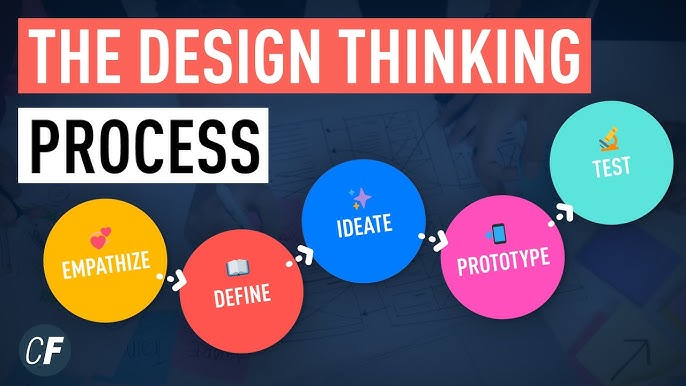
- Understanding UX basics: usability, accessibility, and design thinking
- Practicing with tools like Figma, Adobe Photoshop, Illustrator, Adobe XD, and Sketch
- Building case studies around problems you know (e.g., a scheduling app for teachers)
Your edge: Your domain knowledge helps you design better solutions in that industry.
Pivoting from a Tech Role (e.g., Web Dev, QA, IT)
If you already have technical skills, you’re ahead. You know how digital products work under the hood.
Start with:
- Strengthening UI design skills in Figma/Adobe XD
- Learning UX research methods (surveys, interviews, usability testing)
- Building clickable prototypes and user flows
- Applying UX principles to your existing tech experience
Your edge: You understand development workflows, constraints, and how to work with engineers effectively.
Core Skills Every Aspiring Product Designer Needs
- Design Tools
- Figma, Sketch, Adobe XD
- Bonus: Photoshop or Illustrator for visuals
- UX Research & Testing
- Conduct user interviews
- Build personas, empathy maps, and journey maps
- Wireframing & Prototyping
- Low-fidelity sketches for quick ideas
- Interactive prototypes to test with real users
- Visual & UI Design
- Typography, spacing, color, and accessibility standards
- Design systems and consistency across products
- Collaboration & Communication
- Work closely with product managers, engineers, and stakeholders
- Explain design decisions clearly
- Soft Skills
- Empathy, problem-solving, and adaptability
- Being curious about users and business challenges
Learn by Doing: Portfolio Project Ideas
You can’t break into product design with theory alone. You need a portfolio that shows your process.
Here are project ideas to start with:
- Redesign a mobile banking app for simplicity
- Create a food delivery app with an improved checkout flow
- Design a fitness-tracking dashboard for beginners
- Reimagine a government service website for better accessibility
- Build a case study around improving e-commerce product pages
Document your work: show your research, sketches, iterations, and final design. Employers want to see your thinking, not just pretty screens.
Certifications and Courses That Help
You don’t need a degree to succeed in product design. Many designers are self-taught or come through bootcamps.
Great resources include:
- Coursera – Google UX Design Professional Certificate
- Interaction Design Foundation (IDF) – In-depth UX and UI courses
- Udemy – Practical Figma and UX case study projects
- YouTube & Dribbble – Free tutorials and design inspiration
Balance learning theory with hands-on practice.
How Long Does It Take?
This depends on your background and commitment:
- From scratch (non-tech background): 2 – 4 months part-time
- From a tech background: 1 – 3 months to become job-ready
Consistency, projects, and feedback are the keys.
Breaking Into the Industry
Once you have the skills and portfolio, here’s how to stand out:
- Share your design work on LinkedIn, Dribbble, and Behance
- Contribute to open-source design or redesign projects
- Network in UX communities (Slack groups, meetups, LinkedIn)
- Apply to junior roles, internships, or freelance gigs
Tailor your CV and case studies to highlight real-world impact.
How BridgeTech Academy Can Help You Make the Leap
At BridgeTech Academy, we help ambitious career-switchers and aspiring designers transition into UI/UX and Product Design with confidence.
Here’s how we support you:
- Hands-On Learning – Work on real-world design projects, not just theory
- Mentorship & Peer Support – Learn from experienced designers and a supportive community
- Job-Ready Skills – Master Figma, UX research, prototyping, and design systems
- Career Coaching & Portfolio Reviews – We guide you in crafting case studies that land interviews
- Flexible Learning Paths – Part-time or full-time, we adapt to your schedule
You don’t have to figure it out alone. Whether you’re coming from a completely different career or pivoting within tech, BridgeTech Academy is your launchpad.
Ready to Become a Product Designer?
Product design is one of the most impactful, creative, and in-demand careers today. With the right roadmap and community, you can turn your interest into a profession that shapes how people experience technology.
Take the first step. Learn with us at BridgeTech Academy and secure your future in UI/UX Design.
👉 Join Our Product Design Track | Learn More About Our Academy
